



BOOTCAMP No. 3 SHOOT INSIDE THE VOLUME
Your Bootcamp 3 Trainers
Meet the nine tutors leading Shoot Inside the Volume. Select a portrait to read the trainer’s profile.
Monday · full day
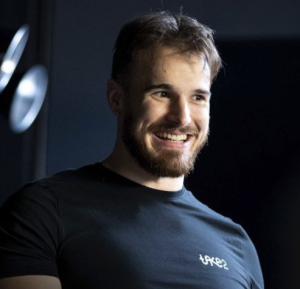
Felix Brandstetter
Trainer, Shoot Inside the Volume
Co‑Founder and Head of Virtual Production - Take 2 Studios (Salzburg)
Felix Brandstetter is Co‑Founder and Head of Virtual Production at Take 2 Studios in Salzburg, Austria’s first permanent LED volume for high‑end film and commercial work. As a VP supervisor and creative producer, he bridges directing, cinematography and technology, designing real‑world workflows that enable “Hollywood‑level” shoots with European crews and budgets. Together with his sister Viktoria, he has built Take 2 Studios from the ground up into a fully equipped virtual production space with an LED volume, cyclorama and infrastructure for international clients.
For Shoot Inside the Volume, Felix leads Wednesday 28 October 2026. The practical workshop explores lenses, lighting and digital environments: camera perspective, parallax, foreground integration and repeatable camera movement. Participants test their choices on the LED stage and build two shots with consistent light and screen direction. The Fantasy Studios team supports the Vicon tracking and robotic camera work. The studio operates normally throughout the day.
Tuesday

Mazze Aderhold
Trainer, Operate the LED Stage, Shoot Inside the Volume
Virtual Production Workflow & Camera Tracking Specialist ASSIMILATE
Mazze Aderhold is an experienced freelance application engineer, workflow specialist and trainer with a strong background in post‑production, colour workflows and virtual production. He works as a technical consultant for software developers in the film and television industry and has a long‑standing relationship with ASSIMILATE, where he has been involved in product design, worldwide support and innovation around tools such as SCRATCH and Live FX. In 2015, he founded Angry Face, a company focused on color grading hardware, including the Rageboard grading panel he developed.
For our bootcamp participants, Mazze is exactly the kind of trainer who connects theory with real‑world practice: he not only shows how to build an optimal image pipeline, but also how to think about it in the context of real jobs and communication with clients and crew. With his mix of deep technical knowledge, structured workflow thinking and years of experience on international projects, participants gain real confidence – from colour decisions all the way to deploying Live FX in virtual production.
Wednesday morning
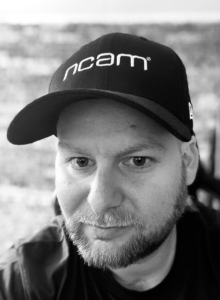
Vojtěch “Vojta” Horký
Trainer, Operate the LED Stage, Shoot Inside the Volume
Co-Founder & Executive/Technical Director, Fantasy Studios
Vojtěch “Vojta” Horký is the Co‑Founder and Executive/Technical Director of Fantasy Studios, with deep expertise in virtual production, VFX, video engineering and LED‑based workflows. Since 2017, he has worked across high‑profile productions and live events – contributing to projects for Netflix, Amazon and Apple as well as major shows like the Super Bowl and the Fortnite World Cup, where robust in‑camera VFX and real‑time graphics are mission‑critical. Before co‑founding Fantasy Studios, he worked in London with Ncam, a pioneer in camera‑tracking technology, helping to prepare some of the very first large‑scale LED‑based virtual productions, including the now‑iconic “Volume” used on The Mandalorian.
Today, Vojta runs Jeff’s Virtual Production, designing VP workflows, post plates and consulting for studios, while also serving as Senior Product Specialist for Virtual Solutions at Ross Video. This blend of on‑set LED volume work, workflow design and vendor‑side insight allows him to translate complex technology into practical, production‑friendly setups for directors, DOPs and producers.
In the Operate the LED Stage bootcamp, Vojta brings a true “hands‑on technical director” perspective: he walks participants through configuring cameras, tracking, LED walls and signal chains, shows what to do when things get messy on set, and how to collaborate with the VP team so that the LED stage becomes a reliable, powerful storytelling tool. Knowing he has been involved with some of the earliest flagship LED‑based virtual productions, such as The Mandalorian, makes it clear that what he shares in the bootcamp is grounded in real‑world experience rather than slides and theory.
Wednesday afternoon
Michal Svoboda
Trainer, Shoot Inside the Volume
Technical Director, Fantasy Studios
Michal Svoboda is Technical Director at Fantasy Studios. His background spans software engineering, live events, motion capture and film, which he brings to the development of virtual production workflows.
At Shoot Inside the Volume, Michal leads the practical afternoon on Monday 26 October 2026. Participants record reference images, recognise visible artefacts and learn to communicate image problems clearly to the stage team. Working with the studio’s LED wall, genlock-capable camera and Vicon tracking, they establish a repeatable baseline before the week’s more demanding shooting exercises.
Thursday
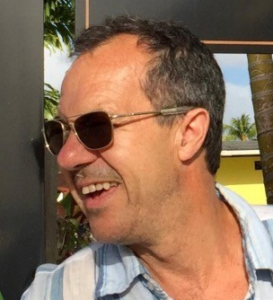
Nick Jones
Trainer, Shoot Inside the Volume
Director and Virtual Production Consultant
Nick Jones is a director and creative working across commercials, television, branded content and immersive experiences. His career includes work as Creative Director of Secret Cinema and directing for brands such as Mercedes, Sony and IKEA. He has worked in virtual production since 2020, combining performance direction with practical experience of previs, digital environments and production workflows.
At Shoot Inside the Volume, Nick leads Thursday 29 October 2026. His workshop follows a scene from script and blocking to performance, camera coverage and review. Participants practise collaboration between director, DOP and VP team, including how to respond when a creative change affects the shoot. The day is particularly relevant to directors and producers alongside the camera department.
Friday
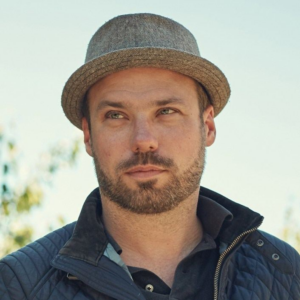
Fabian Wagner ASC BSC
Trainer, Shoot Inside the Volume
Cinematographer · ASC BSC
Fabian Wagner ASC BSC is the cinematographer behind episodes of Game of Thrones, Sherlock and The Crown, as well as the feature film Justice League. His work on Game of Thrones’ “Battle of the Bastards” earned an American Society of Cinematographers Award. He received Emmy nominations for Sherlock and Game of Thrones. Alongside his screen work, he supports emerging filmmakers through mentoring and masterclasses.
At Shoot Inside the Volume, Fabian leads Friday 30 October 2026, bringing cinematographic craft to a practical LED-stage workshop. The day focuses on visual storytelling, lighting, lens choice and camera movement, with recorded tests and a shared review. Designed primarily for cinematographers, DOPs and camera operators, it also gives directors and producers insight into the collaboration behind a strong image.
Saturday

Spencer Chase
Trainer, Shoot Inside the Volume
Virtual Production Supervisor
Spencer Chase is a virtual production supervisor whose work connects real-time imagery with the practical demands of filming. His credits include Engine Technical Director on the Apple TV series Hijack with Lux Machina. In 2026, ScreenSkills featured Spencer as VP supervisor alongside cinematographer Ed Moore BSC in a session exploring virtual production on Hijack season two.
At Shoot Inside the Volume, Spencer leads Saturday 31 October 2026. His workshop puts participants through a supervised production exercise: preparing the stage, agreeing shot priorities, handling a controlled change and delivering usable footage with the right production information. Camera teams, directors and producers practise making decisions together while keeping the shoot moving.
Sunday
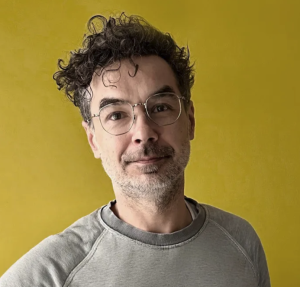
Lukáš Skalník
Consortium Representative, Trainer, Operate the LED Stage, Shoot Inside the Volume
CEO, Fantasy Studios
Lukáš Skalník is the Founder and CEO of Fantasy Studios, a Prague‑based studio specialising in virtual production, and the co‑founder of animation studio Eallin, which currently employs around 60 people in Prague, Tokyo and Bratislava. From 2010 to 2014, he served as Vice President of the International Quorum of Motion Picture Producers and took part in several international co‑productions. He has worked closely with the New York office of Amnesty International, producing the global campaigns “Standing up for Freedom” and “One More Voice”, and has collaborated with artists such as Peter Gabriel, Meryl Streep, Hans Zimmer, Wyclef Jean and Terry Gilliam of Monty Python.
As a producer, he has been behind numerous short animated films and series, documentary projects and co‑productions, including the international experimental feature Exquisite Corpse, which brought together 54 directors from 46 countries, and the 2023 feature documentary 15x15x5 Minisalon. Today, Lukáš leads Fantasy Studios, which has delivered virtual production for projects and brands such as AMC, Prime Video, Apple TV and TV Nova, and develops innovative workflows at the crossroads of animation, live‑action, virtual production and sustainable green filming.
In the Operate the LED Stage bootcamp, Lukáš brings a producer’s and studio founder’s perspective: he will show how an LED stage fits into the full production pipeline, how to use it to shoot smarter and more sustainably, and how to structure collaboration between clients, crew and the studio so that virtual production becomes a creative upgrade rather than a logistical headache.
Sunday

Lukáš Fišárek
Trainer, Operate the LED Stage, Shoot Inside the Volume
Film Art Director & Virtual Production Supervisor
Lukáš Fišárek is a Czech film art director and virtual production supervisor with a strong background in film language, visual storytelling and in‑camera VFX on LED stages. He collaborates with Fantasy Studios as Art Director / VP Supervisor, designing the visual concept, layouts and digital backgrounds for productions shot directly in‑camera on their LED volume.
Coming from the film world, Lukáš has worked on author‑driven film projects, visual identities for TV and film formats, and award‑winning film posters, including a Czech Lion for best poster. He also teaches film language and visual storytelling at HAMU’s Nonverbal Theatre Department, helping directors and performers understand how images work on screen.
At Operate the LED Stage, Lukáš will focus on how to think like a filmmaker inside an LED volume: how to design and select backgrounds that support story and mise‑en‑scène, how to prepare content and layouts for in‑camera VFX in collaboration with directors and DOPs, and how to bridge classic film visual practice with real‑time virtual production workflows.
What Is It About
An intensive practical week designed primarily for cinematographers, DOPs and camera operators. Test lenses, shape light, rehearse camera moves and shoot short scenes inside a working LED volume with the virtual production team.
Fabian Wagner ASC BSC, the ASC Award-winning cinematographer of Game of Thrones and two-time Emmy nominee, leads Friday’s cinematography masterclass and stage workshop. The week also features director Nick Jones, VP supervisor Spencer Chase, Mazze Aderhold, Felix Brandstetter and the Fantasy Studios team.
Directors and producers are welcome throughout the week, with particular relevance from Thursday to Sunday: performance, coverage, visual storytelling, production decisions and final delivery.


What Will You Gain
Participants will:
- Understand when and how virtual production is beneficial for film projects
- Recognise the limitations and possibilities of LED volumes from a crew perspective
- Adapt camera, lighting, and production design workflows for virtual production
- Strengthen communication between traditional film departments and VP teams
- Gain confidence working on VP stages under realistic production conditions
Each participant receives a Certificate of Professional Competence in Virtual Production, aligned with the focus of the bootcamp.
Week Structure
26 October–1 November 2026 · 09:00–18:00 · English
26–28 October — Studio Pokrok
Chlumova 334/7, 130 00 Prague 3 – Žižkov, Czech Republic
29 October–1 November — Jordan Studios
Beranových 823, 199 00 Prague 18 – Letňany, Czech Republic
Current course fee: EUR 1,400.
Breaks each day: 10:30–10:45 and 15:00–15:15. Lunch: 12:15–13:15. Around three quarters of teaching time is devoted to demonstrations, exercises, shooting, review and practical assessment.
Monday 26 October 2026 — Camera readiness inside the LED volume
Location: Studio Pokrok
Chlumova 334/7, 130 00 Prague 3 – Žižkov, Czech Republic
Felix Brandstetter throughout the day
Build a repeatable camera test and learn how to describe an image problem to the stage team.
- 09:00–10:30 — Crew briefing and guided stage introduction
- 10:45–12:15 — Camera decisions before the first take
- 13:15–15:00 — Record a baseline test
- 15:15–17:00 — Find and resolve visible artefacts
- 17:00–18:00 — Rushes and team brief
Session details and learning outcomes
09:00–10:30 — Crew briefing and guided stage introduction
Felix explains the path from creative brief to a recorded shot. Walk through camera, tracking, playback, lighting and monitoring responsibilities; compare a plate workflow with a tracked real-time environment. Include a studio safety induction.
10:45–12:15 — Camera decisions before the first take
Discuss field of view, lens information, camera height, focus, exposure and intended movement. Use a simple shot to explain why the physical and virtual views must agree. Identify what the camera crew controls and what requires a VP operator.
13:15–15:00 — Record a baseline test
With Felix, teams record a chart, skin reference, practical prop and background. Vary one factor at a time: subject distance, lens, focus or exposure. Log settings and observations. The studio technician controls display and synchronisation changes.
15:15–17:00 — Find and resolve visible artefacts
Work through examples of moiré, scan bands, mismatched colour and perspective errors. Check genlock and the Vicon camera tracking with the stage technician. Test an agreed remedy, record before and after, and distinguish a camera adjustment from an issue requiring the stage engineer.
17:00–18:00 — Rushes and team brief
Compare results on the reference monitor. Form four teams, assign the first roles and select one feasible short-scene brief for development through the week.
You will take away: Baseline test clips with camera and lens settings. One documented image problem and a verified correction. Team scene brief and role-rotation record.
Tuesday 27 October 2026 — Image control and Live FX in practice
Location: Studio Pokrok
Chlumova 334/7, 130 00 Prague 3 – Žižkov, Czech Republic
Mazze Aderhold
Turn a camera and lighting intention into a controlled, repeatable result on the LED stage.
The morning contains three hours of theory and demonstrations, followed by practical stage work after lunch.
- 09:00–10:30 — Three-hour masterclass part one
- 10:45–12:15 — Three-hour masterclass part two
- 13:15–15:00 — Set up and shoot the first look
- 15:15–17:00 — Create a second look and repeat it
- 17:00–18:00 — Compare takes and prepare the handover
Session details and learning outcomes
09:00–10:30 — Three-hour masterclass part one
Map the route from source media through playback, LED output, camera and monitoring. Explain the purpose of colour transforms, LUTs and reference images, and why a display look must not be mistaken for the recorded camera signal.
10:45–12:15 — Three-hour masterclass part two
Explore plate preparation, projection and camera movement limits, then the relationship between the background and interactive lighting. Mazze demonstrates a Live FX workflow and explains which changes belong to the DOP, DIT or operator.
13:15–15:00 — Set up and shoot the first look
Participants start from prepared media, establish a baseline and match a foreground subject to the background. Test exposure, neutral and skin references, and practical light direction. Record the same framing before and after a controlled adjustment.
15:15–17:00 — Create a second look and repeat it
Change the scene from daylight to a motivated evening look. Where the installed system permits, demonstrate image-based lighting. Teams save the approved setup, reset it and reproduce the result; use manual fixtures if lighting integration is unavailable.
17:00–18:00 — Compare takes and prepare the handover
Review image consistency, background detail and skin. Each team explains its colour and lighting decisions and records the information another crew would need to reproduce the shot.
You will take away: Two recorded looks of the same scene. A simple diagram of the agreed colour and monitoring pipeline. Saved settings or a documented manual reset procedure.
Wednesday 28 October 2026 — Lenses, lighting and digital environments
Location: Studio Pokrok
Chlumova 334/7, 130 00 Prague 3 – Žižkov, Czech Republic
Vojtěch “Vojta” Horký in the morning; Michal Svoboda in the afternoon
Design a convincing frame by testing the relationship between lens, set, light and environment.
The studio and staff operate normally on 28 October; the full programme runs despite the Czech public holiday.
- 09:00–10:30 — Planning a workable volume shoot
- 10:45–12:15 — Guided lens and movement laboratory
- 13:15–15:00 — Match the foreground to the environment
- 15:15–17:00 — Shoot with a constraint
- 17:00–18:00 — Image continuity review
Session details and learning outcomes
09:00–10:30 — Planning a workable volume shoot
Vojta introduces the decisions that make a small-team VP shoot manageable: the usable camera area, environmental scale, foreground dressing, lighting motivation and limits of the selected content.
10:45–12:15 — Guided lens and movement laboratory
Record two focal lengths and a short repeatable move using the robotic camera operated by the studio technician. Check Vicon tracking against the recorded perspective and compare parallax and depth of field. Find the point where the illusion breaks and revise either the shot or the environment.
13:15–15:00 — Match the foreground to the environment
With Michal, teams build a small foreground with practical objects and a performer or stand-in. Match horizon, direction of light, contrast, reflections and visible edges. Test what the camera sees rather than relying on how the set looks by eye.
15:15–17:00 — Shoot with a constraint
Keep one approved environment and a limited lighting package. Each team captures a wide and closer shot that cut together, making one purposeful change to framing or lighting and documenting the consequences.
17:00–18:00 — Image continuity review
Review the paired shots, identify the weakest physical-to-digital join and agree the smallest useful correction. Prepare the scene and coverage questions for Thursday.
You will take away: Lens and movement comparison. Two shots with consistent screen direction and light. A revised shot plan showing the usable camera area.
Thursday 29 October 2026 — Directing performance and coverage in virtual production
Location: Jordan Studios
Beranových 823, 199 00 Prague 18 – Letňany, Czech Republic
Nick Jones
Translate a short dramatic or commercial brief into a shootable scene with motivated coverage.
- 09:00–10:30 — From script to volume
- 10:45–12:15 — Block and rehearse a short scene
- 13:15–15:00 — Direct the first setup
- 15:15–17:00 — Coverage and a creative change
- 17:00–18:00 — Review story and production decisions
Session details and learning outcomes
09:00–10:30 — From script to volume
Nick examines how to choose scenes for VP, plan the environment before the shoot, rehearse performance and work with the DOP. Discuss where preproduction decisions help and where the director still needs room to respond on set.
10:45–12:15 — Block and rehearse a short scene
Teams define the scene’s dramatic beat, eyelines, marks and camera positions. Use a three-shot maximum: a master and two purposeful coverage shots. The producer role checks resets and practical time limits.
13:15–15:00 — Direct the first setup
Shoot the master with a performer or stand-in. Practise concise direction, actor and camera timing, communication with the VP operator, and continuity between the physical action and background.
15:15–17:00 — Coverage and a creative change
Shoot the closer coverage, then respond to one controlled request such as a new eyeline, revised movement or changed time of day. Agree the cost in time and resets before implementing it.
17:00–18:00 — Review story and production decisions
Assess whether the scene communicates the intended beat and whether its coverage cuts together. Each team presents one creative success, one technical limitation and one production lesson.
You will take away: Three-shot storyboard or shot list. Recorded scene coverage and continuity notes. A short change log linking decisions to time on stage.
Friday 30 October 2026 — Cinematography masterclass and stage workshop
Location: Jordan Studios
Beranových 823, 199 00 Prague 18 – Letňany, Czech Republic
Fabian Wagner ASC BSC
Make deliberate choices about mood, light and movement, then test those choices on the stage.
- 09:00–10:30 — Visual storytelling with Fabian Wagner
- 10:45–12:15 — Live lighting and lens demonstration
- 13:15–15:00 — Team camera and lighting rotations
- 15:15–17:00 — Continue rotations and shoot a variation
- 17:00–18:00 — Rushes with Fabian and discussion
Session details and learning outcomes
09:00–10:30 — Visual storytelling with Fabian Wagner
A masterclass on building a visual language, working with the director and maintaining an image strategy through complex scenes. Discuss visual examples selected by Fabian and connect those creative decisions to the day’s practical exercise.
10:45–12:15 — Live lighting and lens demonstration
Working from a simple scene, explore motivated sources, contrast, skin, separation and lens choice. The studio VP team supports the LED and tracking workflow while Fabian concentrates on cinematographic decisions.
13:15–15:00 — Team camera and lighting rotations
Each team takes the stage for a supervised setup, testing a defined image intention. Participants rotate camera, lighting liaison, director, continuity and production responsibilities; the remaining teams prepare and analyse at supervised workstations.
15:15–17:00 — Continue rotations and shoot a variation
Complete all four team rotations and capture a controlled variation in light, framing or movement. Use the same prepared scene so time is spent on camera and lighting choices rather than rebuilding assets.
17:00–18:00 — Rushes with Fabian and discussion
Review selected takes against the original visual intention. Discuss communication between DOP, director and producer and identify one improvement each team will carry into Saturday’s production exercise.
You will take away: A recorded lighting or framing study for every team. Reference frame, lens and exposure notes. Specific feedback to apply during the final production exercise.
Saturday 31 October 2026 — A supervised virtual production shoot
Location: Jordan Studios
Beranových 823, 199 00 Prague 18 – Letňany, Czech Republic
Spencer Chase
Deliver a short scene through a clear production workflow under a realistic time limit.
- 09:00–10:30 — Production briefing and readiness
- 10:45–12:15 — Technical rehearsal and approvals
- 13:15–15:00 — Timed production rotations
- 15:15–17:00 — Complete the shoot and handle a change
- 17:00–18:00 — Dailies and delivery preparation
Session details and learning outcomes
09:00–10:30 — Production briefing and readiness
Spencer reviews how camera, environment, playback and production teams agree that a setup is ready. Define the day’s shot priorities, approval responsibilities, fallback options and the information needed for post-production.
10:45–12:15 — Technical rehearsal and approvals
Teams check Vicon tracking, genlock, robotic-camera repeatability, foreground integration, playback, continuity and monitoring with the studio operators. Log any limitations. Approve a feasible version of the scene before entering the timed rotation.
13:15–15:00 — Timed production rotations
Teams shoot the priority material using the approved setup. The producer role tracks stage time and changes; the camera team records settings and selects takes. Off-stage groups prepare, review and assemble their material.
15:15–17:00 — Complete the shoot and handle a change
Finish the four rotations. Introduce one non-destructive scenario, such as a requested look change or unavailable asset, and agree a practical fallback. Record any remaining work rather than hiding it in the handover.
17:00–18:00 — Dailies and delivery preparation
Review image and continuity, select takes and assemble a rough 30–60 second sequence. Package media with lens, scene, take, environment-version and colour-pipeline notes for Sunday.
You will take away: Selected footage and a rough sequence. Camera report, environment reference and handover notes. A record of a production change and its resolution.
Sunday 1 November 2026 — Final scenes and certificates
Location: Jordan Studios
Beranových 823, 199 00 Prague 18 – Letňany, Czech Republic
Lukáš Skalník and Lukáš Fišárek
Demonstrate what each participant can do and turn the week’s work into a clear production outcome.
- 09:00–10:30 — Final creative clinic
- 10:45–12:15 — Final pickups and finishing
- 13:15–15:00 — Individual practical check
- 15:15–16:15 — Screening and feedback
- 16:15–17:00 — The next production
- 17:00–18:00 — Certificates and closing ceremony
Session details and learning outcomes
09:00–10:30 — Final creative clinic
With Lukáš Fišárek, review the scene’s visual logic, background choice, foreground design and continuity. Select the most useful final adjustment for each team.
10:45–12:15 — Final pickups and finishing
Record tightly scoped pickups where needed and complete the educational edit. Preserve reference settings and prepare a brief explanation of the choices that made the scene work.
13:15–15:00 — Individual practical check
Each participant explains a recorded test, identifies an image issue and proposes a workable correction. Verify their contribution against the rotation record. With 20 participants, use two assessor stations and scheduled short slots.
15:15–16:15 — Screening and feedback
Each team presents its 30–60 second sequence with its camera and production decisions. Review the image, storytelling, communication and what remains to be improved.
16:15–17:00 — The next production
Lukáš Skalník leads a discussion of scoping a VP project: preparation, crew responsibilities, studio time, post-production needs and a realistic next step for each participant.
17:00–18:00 — Certificates and closing ceremony
Presentation of certificates, group photograph and closing remarks. Celebrate the completed scenes, exchange contacts and close the week with the tutor and production team.
You will take away: Finished educational scene and team handover. Individual assessment and feedback record. Certificate and a personal next-project action.
How It Works
Up to 20 participants work in four teams of five, developing a short scene across the week. Roles rotate between camera, directing, lighting liaison, continuity or VP liaison, and production. Teams share the LED stage; between stage rotations they prepare shots and review recorded results.
Each day combines a focused briefing with guided demonstrations, practical camera and lighting work, and a shared review. Tuesday begins with Mazze’s three-hour theory and demonstration block, excluding the break, before the practical afternoon.
The studio setup includes an LED wall, a genlock-capable camera, Vicon motion capture connected to camera tracking, and a robotic camera. Specialist equipment and system changes are handled with the studio operators.
Teams work towards a 30–60 second educational sequence, supported by recorded camera tests, a shot list, lighting references and concise handover notes. The week concludes with practical feedback, certificates and the closing ceremony on Sunday, 17:00–18:00.
Who Is It For
- Cinematographers, DOPs and camera operators — the primary audience
- Directors and producers — welcome all week, with especially relevant sessions from Thursday to Sunday
- Gaffers and lighting crew
- Production designers
- VFX supervisors and colleagues working with virtual production teams
Typical career paths include
- Director of Photography working in LED volume environments
- Virtual Production–ready Gaffer
- Production Designer for hybrid physical–digital sets
- Director working with real-time environments
- VFX Supervisor collaborating on in-camera VFX workflows

